

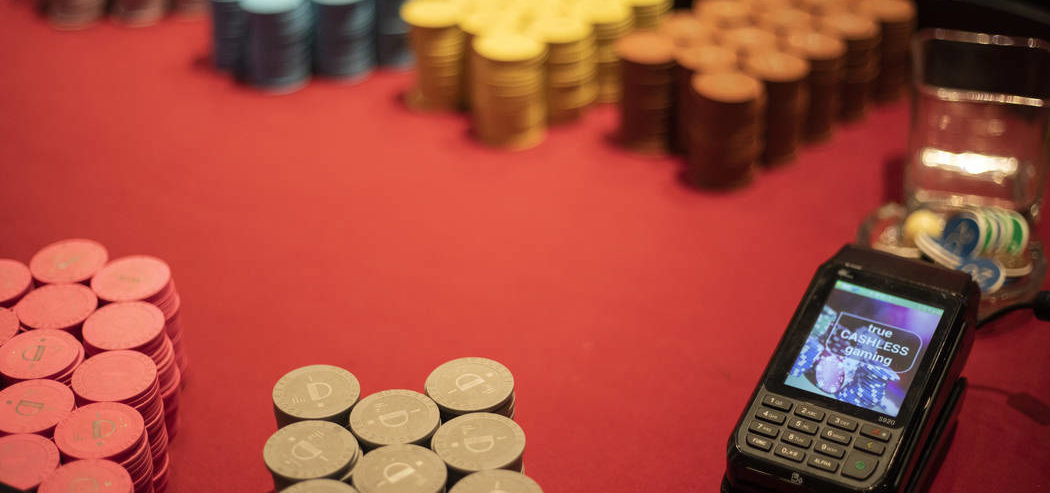
An veteran online casino player from Australia opted to test Heypokies Casino’s tournaments. The goal was simple: find out if the competitive format offered real value or just a superficial buzz. Over several weeks, he played slot races, leaderboard challenges, and live dealer events, discovering far more than a typical review could capture. He approached each tournament with a set bankroll, documented every session, and tracked how wagering patterns matched up with final standings. This account strips away the promotional fluff and looks at what actually happens when you join a Heypokies Casino tournament: registration quirks, software stability during peak hours, prize distribution timelines, and the psychological weight of watching a leaderboard refresh. The insights aren’t theoretical. They come from real gameplay sessions, real-money deposits, and direct conversations with the platform’s support team when scoring disputes popped up. If you’re questioning whether these tournaments are worth adding to your regular play, the sections that follow give an candid look at what goes on behind the countdown timers and flashing prize pool announcements.
The Invite That Sparked It All
The user first noticed Heypokies Casino tournaments by means of an in-platform notification following a routine deposit. Instead of a generic banner, the message was a personalized invitation to a weekend slot race with a assured prize pool of AUD 5,000. The moment was calculated; the message arrived on a Thursday evening, offering about 36 hours to opt in before the initial spin counted toward the leaderboard. Registration demanded no extra fee beyond the standard minimum bet on eligible games, which eliminated a barrier many competing platforms still impose. One click triggered tournament participation, and a dedicated dashboard emerged under the account menu displaying real-time position, points earned, and the number of active entrants. That dashboard transparency was notable again and again. Unlike some casinos where tournament tracking feels like an afterthought, Heypokies built it right into the account menu, so you never had to manually check scores. The invitation itself also contained a clear breakdown of eligible titles, weighted scoring rules, and the specific time the scoreboard would freeze. That level of upfront detail made everything feel professionally run, and that impression continued the complete tournament cycle.
Tournament Day Insights
The initial tournament began on a Saturday at 10:00 AM Australian Eastern Standard Time. The user logged in 15 minutes early to check that the dashboard was live and the eligible games loaded correctly. The Heypokies interface handled the initial crush of concurrent players without any noticeable lag, a positive sign given that some casino sites buckle under tournament start pressures. The interface offered a split-screen view with the game on the left and a condensed leaderboard on the right, so you never had to switch tabs. The leaderboard filled with scores within 90 seconds, showing that dozens of players had been waiting for the exact start moment. The mental side of tournament play surfaced quickly: after a dry spell of 20 spins, his rank dropped from 12th to 34th, creating a strong urge to increase bet sizes, exactly the impulse all that prep was meant to control. He stuck to his predetermined bet sizing and concentrated on spin volume rather than leaderboard fluctuations, a mindset that took real effort to maintain through the three-hour session. The program performed reliably, with no crashes or disputed scores. Autoplay worked within the tournament rules, stopping automatically when a bonus round triggered so he could manually play the feature.
Rewards, Payouts, and After-Tournament Observations
Reward allocation at Heypokies Casino adhered to a steady structure across all tournaments the participant entered. Winnings hit his casino account within two hours of the leaderboard finalizing, whether the amount was AUD 10 or AUD 110. The prizes were deposited as cash, not bonus funds, indicating no wagering requirements were in effect before withdrawal, a huge difference from many competitor platforms that bury tournament prizes behind playthrough conditions. He performed a withdrawal of AUD 150 from accumulated tournament winnings and got the funds via bank transfer within three business days, consistent with the platform’s standard processing times. Beyond the money, he pondered about whether tournament play was worthwhile as a regular activity. The time commitment was real: three to four hours per event, so tournaments were more suitable as weekend engagements than daily pursuits. There was zero social element. Unlike poker tournaments where table chat adds a layer of interaction, slot races are solo activities; opponents are just anonymous entries on a board. He considered that as neither good nor bad, just a structural fact of the format that prospective players should comprehend before investing their time.
Turning Points and Turning Points
The most revealing sequence of the entire tournament experience happened in the final 45 minutes of a Sunday evening slot race with 340 participants. The participant found himself in 47th place, far beyond the prize positions that went to 30th, and had a choice: keep grinding at his current bet or bet more to go after the multiplier points required to advance. His preparation matrix had already highlighted a high-volatility title for exactly this scenario, and he moved to games with 40 minutes left. Within 15 minutes, a bonus round delivered a 210x multiplier that propelled his score from 47th to 19th in a single leaderboard refresh. That moment revealed the tournament format’s unique dynamic: a session that had been nothing special for over two hours became profitable in less than a quarter of an hour. Then came the opposite challenge: protecting a prize spot against late-coming competitors. Instead of halting play entirely, which would have permitted others overtake him, he moved to the low-volatility fruit machine and built up small incremental points to keep his buffer. The final leaderboard freeze displayed a finish of 22nd place, garnering a prize of AUD 110 and validating the two-phase strategy: calculated aggression followed by defensive consolidation.
Understanding Heypokies Casino Tournament Mechanics
The participant spent an afternoon examining the tournament rules in the specific promotions section before allocating real time. Heypokies Casino separates competitive events into three broad groups, each with its own scoring system. Slot tournaments function on a points-per-win basis: the ratio of win size to bet amount calculates your score, so a modest bet that delivers a 100x multiplier can surpass a larger wager that only offers a 10x multiplier. Live dealer tournaments, by difference, usually use a chip accumulation system. Participants start with a virtual balance and strive to grow it within a fixed number of hands. The third group, network races, pools players across multiple casino brands operating the same software, which dramatically raises the participant count but also enlarges the prize pool. These distinctions counted a lot because the best approach shifts completely from one format to another. A player pursuing high volatility in a slot race might crash out early, while a conservative approach in a live dealer blackjack tournament could place them too far behind the leaders. Heypokies releases the exact scoring formula for each event, including any caps on single-spin contributions. That eliminated the guesswork out and made it achievable to plan a strategy instead of just playing aggressively and wishing.
Kinds of Tournaments Present
During his monitoring period, the participant listed four repeated tournament formats that appeared consistently in the Heypokies Casino player login lobby. Planned slot tournaments with defined start and end times formed the backbone of the program, typically taking place over weekends when player traffic peaked. These events had well-specified game selections, often restricted to a single provider’s catalogue to keep scoring consistent. Freeroll tournaments took place roughly twice a month, necessitating no buy-in but demanding that participants had made at least one deposit in the previous 30 days, a reasonable filter that kept inactive accounts from diluting the competition. Reload tournaments linked entry to a minimum deposit amount during a promotional window, essentially giving extra value to players who were funding their accounts anyway. The fourth format, which the participant considered most engaging, was the progressive qualifier system: top performers from daily heats moved on to a weekly final with a much larger prize pool. Each format had its own pace and required a different time commitment, something Heypokies specified in the tournament info panels.
Points and Standings Dynamics
The ranking updated each 60 seconds, that was encouraging but likewise anxiety-inducing during tight races. Points were determined at the server end with no way to alter them through client-side actions, a fact the participant double-checked by comparing dashboard numbers with his own game history. For slot tournaments, the scoring formula applies the winning multiplier divided by the stake size, then uses a logarithmic reducer so a single huge win does not make the rest of the competition pointless. The dampener wasn’t apparent from the ad copy; he had to confirm it via a support chat query. In reality, players who strung together a consistent stream of moderate wins often outranked those who landed one huge jackpot and then stopped, since the formula rewards regular participation. In the final hour, leaderboard positions frequently shifted by 10 to 15 ranks, indicating how vital it was to monitor the clock. The leaderboard listed only the top 100 spots, so players outside that range had no notion how far they needed to climb, a slight annoyance that could be addressed by a percentile indicator.
Planning for the Big Event
Once the tournament mechanics were clear, the participant reserved AUD 300 just for tournament play over two weeks, keeping it separate from his regular casino balance. That was deliberate: he did not wish the competition to push him into impulsive deposits. The prep work also involved testing the eligible games in standard mode to figure out which titles offered the volatility profile that aligned with the scoring system. Three slots emerged after practice sessions: a high-RTP classic fruit machine with frequent small wins, a medium-volatility adventure-themed slot whose bonus round triggered roughly every 120 spins, and a high-volatility progressive title kept for situations where a top-three finish required a late surge. He also checked the tournament schedule to make sure no two events conflicted, aware that splitting focus between two competitions would probably mean missing out on both. Finally, he confirmed his internet connection stability and updated his browser. One disconnection during a critical spin could destroy minutes of momentum in a tight race.
Bankroll Allocation Strategy
The participant split the AUD 300 tournament bankroll into three different portions depending on the risk profile of each event. 60% went toward scheduled slot tournaments with guaranteed prize pools, where balanced competition and predictable scoring gave the best chance of cashing. 25% was earmarked for reload tournaments that required a deposit to enter; he considered the deposit as the buy-in and the tournament play as additional value on top of normal gaming. The rest fifteen percent served as a versatile reserve for freeroll events and last-minute qualifier attempts. This structured approach kept him from blowing his whole budget in the first high-stakes tournament and having nothing left for later events, a trap a lot of players experience. He also set a hard stop-loss rule: if the bankroll dropped below AUD 100, tournament participation would pause until the next scheduled deposit cycle. That rule got challenged once during a volatile slot race, but he followed it, which saved his capital for a better event the following weekend.
Choosing Games Criteria
Selecting the right game from a tournament’s eligible list was the most important choice in his prep. The selection went beyond personal preference and concentrated on three measurable criteria: the game’s hit frequency over a 500-spin sample, the average multiplier size relative to the tournament’s scoring dampener threshold, and the presence of a gamble feature that could double points in clutch situations. He built a simple evaluation matrix, rating each eligible title on those three criteria, then cross-referenced the results against the tournament’s duration. Shorter events called for games with higher hit frequencies to pile up points steadily, while longer tournaments enabled titles with wider variance and bigger potential multipliers. That analytical approach yielded results in the first weekend tournament: his game choice outperformed the average field, leading directly to a top-20 finish and a prize of AUD 75.
What Other Players Need to Know When Entering
After weeks of tournament play, the participant assembled a set of practical takeaways that go past the basic rules on the Heypokies Casino website. The biggest surprise: maximum bet sizes seldom led to top finishes in slot tournaments. The scoring dampener offset the advantage of large wagers while making it more straightforward to drain your bankroll. Measured, consistent bet sizing with high spin volumes yielded better results in every event he tracked. Another key insight concerned timing your entry. Entering a tournament in its final hour often turned out more efficient than playing the full duration, because you could see where the leaderboard stood and the point targets were more apparent. However, that late-entry trick only worked for tournaments without a minimum spin requirement, a detail that differed between events and meant you had to read the terms closely. He also highlighted making sure your internet connection and device were steady, recalling a near-disaster when a browser update prompt appeared mid-session and almost closed the game window. Turning off automatic updates and notifications before starting a tournament became a regular pre-flight check.
Typical Pitfalls That Rob Players Positions
By watching leaderboard patterns and from his own close calls, the participant spotted several mistakes that kept players from climbing. The biggest one: chasing losses by cranking up bet sizes after a dry streak. The scoring system punishes that hard because your points-per-bet ratio drops when bets increase without matching win multipliers. Players who abandoned their planned game and switched to an unfamiliar title mid-tournament also faced difficulties; they lost the rhythm and bonus-round familiarity you get from practice sessions. A subtler pitfall was ignoring the clock. In several tournaments he monitored, groups of players stopped playing with 20 minutes remaining, only to watch their ranks collapse as late entrants piled up points. Some players also seemed to misunderstand the difference between cash balance and tournament score, occasionally celebrating a big cash win that contributed just a few points because of the dampener formula. Studying the specific scoring rules for each event, rather than assuming all tournaments work the same way, was the simplest and most overlooked advantage anyone could have.
Useful Advice for Maximizing Tournament Returns
Based on his logged sessions, here is a practical framework for anyone taking these tournaments seriously. These tips come from what worked, not theory.
- Set aside a separate tournament bankroll and always stay within your limit, no matter where you sit on the leaderboard or the time remaining.
- Evaluate every eligible game in normal mode for at least 100 spins before the tournament starts, so you understand the bonus round frequency and typical multiplier ranges.
- Start with a low-volatility game to create a baseline score. Only change to higher-volatility titles if you require a point surge to secure a top-third finish.
- Watch the leaderboard in the last 30 minutes. If you’re in a prize spot, wager cautiously. If you’re just outside the cutoff, wager more boldly.
- Take a screenshot of the final leaderboard and your account balance as a record in case of any prize distribution discrepancies.
- Cash out tournament winnings right away instead of leaving them in your account, where they could be lost by casual play.
The player finished the journey with a clear conclusion: Heypokies Casino tournaments offer real worth for participants who treat them as systematic competitions, not draws. The platform’s clear scoring, reliable platform, and cash-based prize distribution build an atmosphere where planning and focus immediately impact results. The Australian player’s final total revealed a net profit of AUD 185 across seven tournaments over two weeks, a yield that reflected both the tactical method and the system’s built-in variance. If you’re prepared to commit the energy in learning the rules and controlling the mental demands of ranking contest, Heypokies’ tournament area is a valuable addition to the standard online casino experience, one where knowledge, though limited by the character of slot outcomes, still holds a noticeable function in long-term performance.